Daily commuting has evolved significantly over the past decade. What was once a routine filled with traffic stress, manual navigation, and unpredictable delays is now being reshaped by intelligent driving technologies. From real time route optimization to semi autonomous driving systems, modern innovations are transforming how people move through cities. As these technologies continue to develop, commuting is becoming safer, more efficient, and surprisingly more enjoyable.
Smarter Navigation Systems Reducing Travel Time
One of the most noticeable changes in everyday commuting is the rise of intelligent navigation systems. Modern GPS tools do far more than provide directions. They analyze live traffic conditions, road closures, and even weather patterns to suggest the fastest routes.
These systems continuously learn from user behavior, improving accuracy over time. Drivers no longer have to rely on guesswork or outdated routes. Instead, they benefit from dynamic updates that help them avoid congestion and reach their destination faster.
Interestingly, just like mastering how to draw a perfect circle requires precision and adjustment, smart navigation systems constantly refine their paths for optimal results.
Advanced Driver Assistance Systems Enhancing Safety
Safety has always been a major concern for commuters. With the introduction of Advanced Driver Assistance Systems (ADAS), vehicles are now equipped with features that actively prevent accidents.
Technologies such as lane keeping assistance, adaptive cruise control, and automatic emergency braking are becoming standard in many vehicles. These features reduce human error, which is a leading cause of road accidents.
Commuters today can feel more confident knowing their vehicles are actively monitoring surroundings and assisting in critical situations. This shift is making roads safer for everyone, from drivers to pedestrians.
Seamless Connectivity and In Car Experience
Smart driving technology is not just about safety and navigation. It also enhances the overall commuting experience through seamless connectivity. Modern vehicles are now integrated with smartphones, voice assistants, and entertainment systems.
Drivers can listen to music, take calls, and even control smart home devices while on the road. Platforms like www.anfieldedition.net showcase how digital ecosystems are becoming part of everyday life, and this integration extends naturally into modern vehicles.
This level of connectivity turns commuting time into productive or relaxing moments rather than wasted hours stuck in traffic.
AI Powered Traffic Management Systems
Cities are also playing a role in transforming commuting through AI powered traffic management systems. Traffic lights, surveillance cameras, and sensors work together to manage traffic flow efficiently.
These systems can adjust signal timings based on real time traffic conditions, reducing congestion and improving road efficiency. The result is smoother traffic movement and shorter travel times.
Much like platforms such as seva yojna portal streamline public services for citizens, smart traffic systems aim to simplify and improve urban mobility for daily commuters.

Rise of Semi Autonomous and Autonomous Vehicles
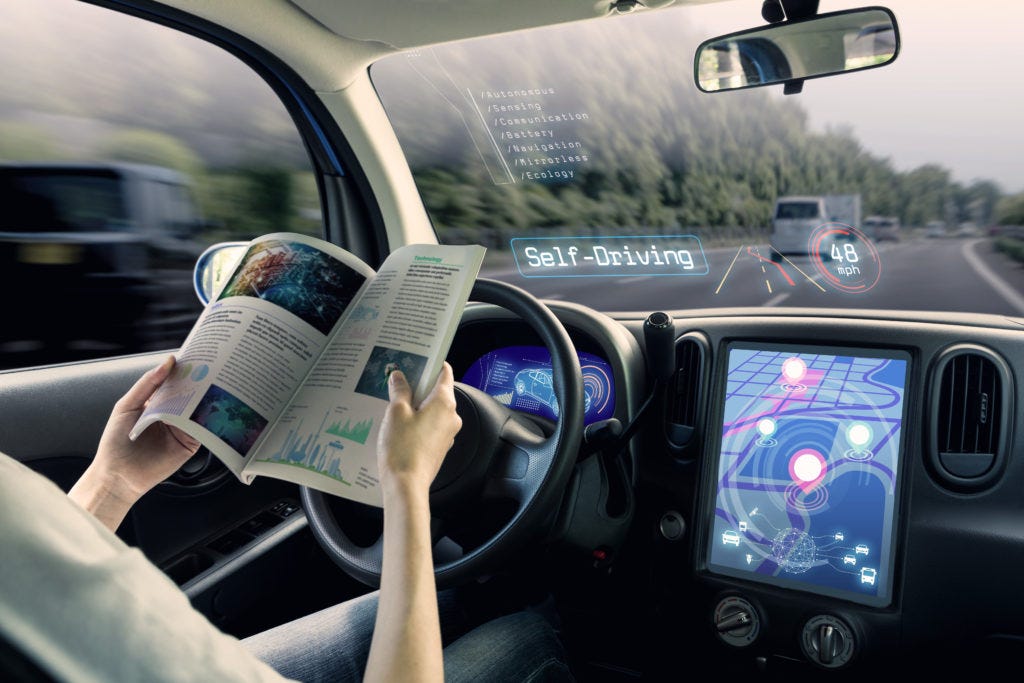
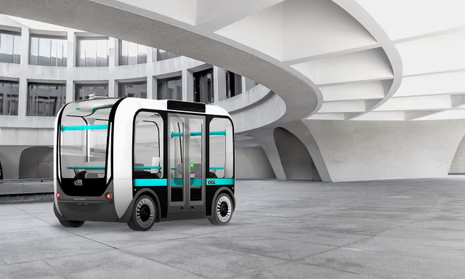
Perhaps the most exciting development in smart driving technology is the emergence of semi autonomous and autonomous vehicles. While fully self driving cars are still evolving, many vehicles already offer partial automation features.
Drivers can now rely on systems that assist with steering, braking, and acceleration in certain conditions. This reduces fatigue during long commutes and allows drivers to focus more on awareness rather than constant manual control.
These advancements are gradually redefining the role of the driver, shifting from active control to supervised automation.
Personalization and User Experience
Modern vehicles are becoming more personalized than ever. They can remember driver preferences such as seat position, climate control settings, and even preferred routes.
This level of customization makes commuting more comfortable and tailored to individual needs. Just as a front hand simple mehndi design reflects personal style and creativity, smart vehicles adapt to the unique preferences of each driver.
The result is a more enjoyable and user friendly commuting experience.
Software and Continuous Improvements
Another major advantage of smart driving technology is the ability to update vehicle software remotely. Over the air updates allow manufacturers to improve performance, fix bugs, and add new features without requiring a visit to a service center.
This concept is similar to development tools like smfcompile, where continuous updates and improvements enhance functionality over time. Vehicles are no longer static machines but evolving systems that improve with use.
Environmental Impact and Efficiency
Smart driving technology is also contributing to a greener future. Efficient route planning reduces fuel consumption, while hybrid and electric vehicles further lower emissions.
Additionally, intelligent systems encourage smoother driving patterns, reducing unnecessary acceleration and braking. These small changes collectively have a significant impact on the environment.
As cities grow and traffic increases, such innovations will play a crucial role in reducing the carbon footprint of daily commuting.
Conclusion
Smart driving technology is reshaping everyday commuting in ways that were once unimaginable. From intelligent navigation and enhanced safety features to personalized experiences and environmental benefits, these innovations are making travel smarter and more efficient.
As technology continues to advance, the future of commuting will likely become even more seamless, with fully autonomous vehicles and smarter infrastructure leading the way. What was once a stressful daily routine is now evolving into a connected, efficient, and increasingly enjoyable experience.