The automobile has always been a symbol of progress, but today it is evolving into something far more advanced than a simple machine. Cars are no longer just tools for transportation. They are becoming intelligent systems capable of learning, adapting, and assisting drivers in ways that were once considered science fiction. This transformation is redefining how people interact with vehicles and how mobility will shape the future.
The Shift From Mechanical to Intelligent
Traditional vehicles relied heavily on mechanical engineering, where performance depended on engines, gears, and physical components. Modern cars, however, are increasingly powered by software, sensors, and artificial intelligence. These systems allow vehicles to process real time data, analyze surroundings, and make decisions that enhance safety and efficiency.
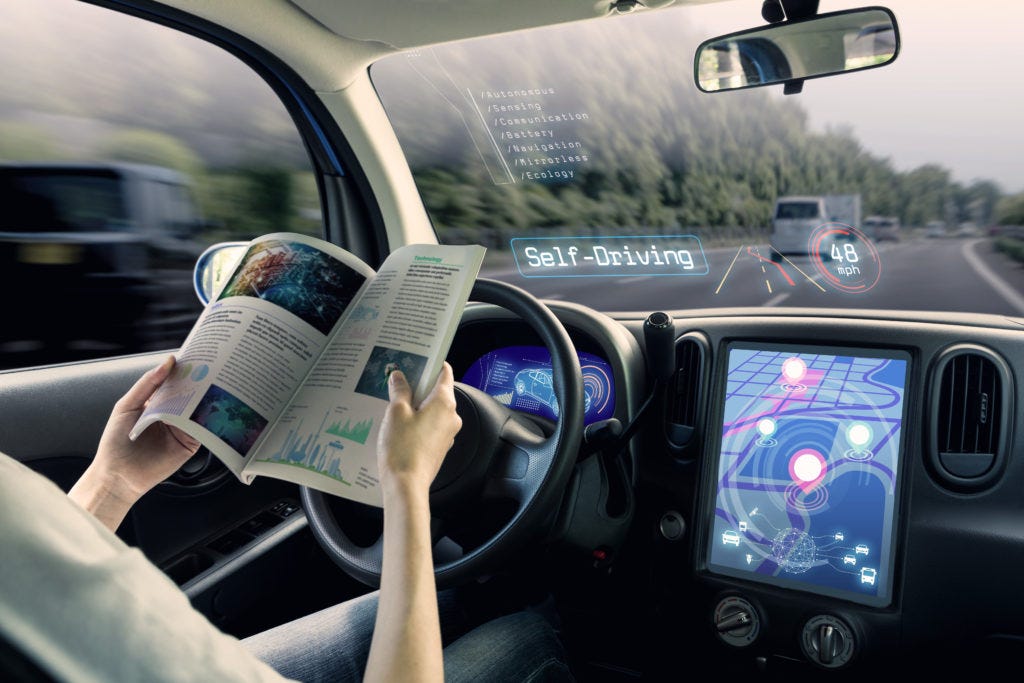
The concept of intelligent driving systems revolves around the ability of a car to think, interpret, and act. Features such as lane keeping assistance, adaptive cruise control, and automatic emergency braking are just the beginning. These innovations are gradually turning cars into smart companions rather than passive machines.
Understanding How Intelligent Systems Work
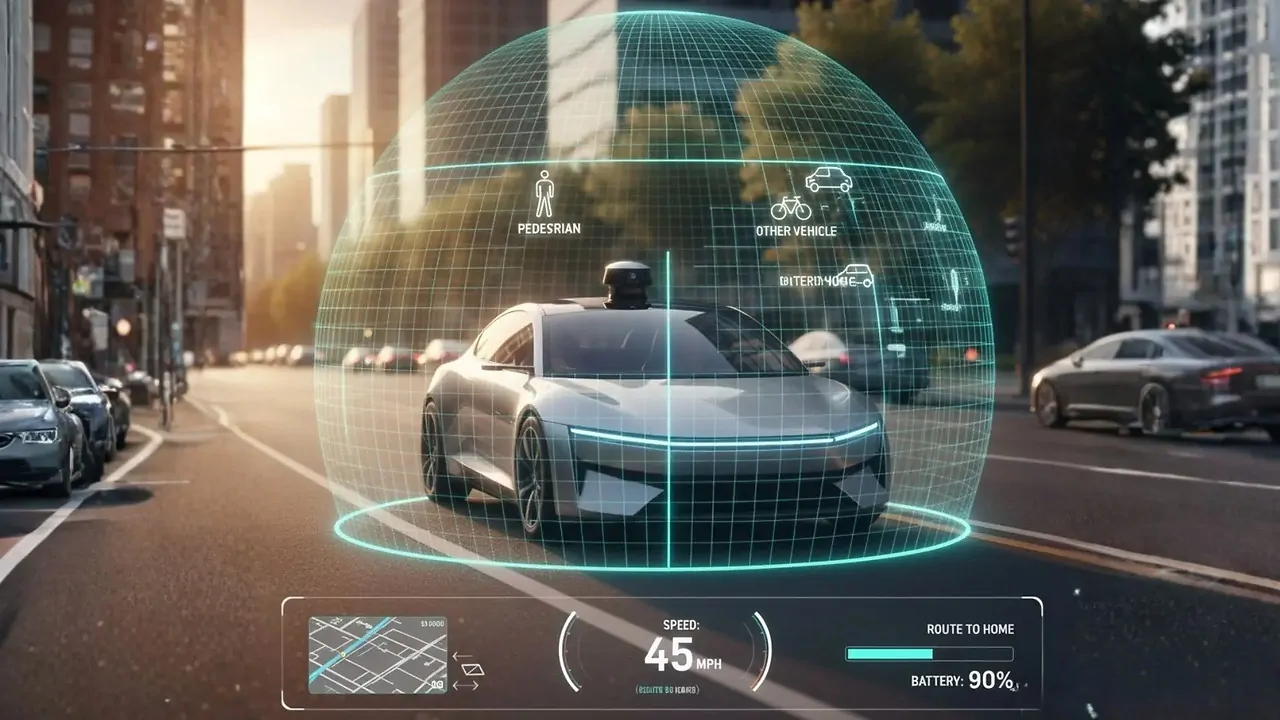
At the core of intelligent driving lies a combination of technologies including sensors, cameras, radar, and advanced algorithms. These components work together to create a digital understanding of the road environment. The vehicle constantly gathers data and processes it within milliseconds to respond to changing conditions.
For example, if a pedestrian suddenly crosses the road, the system can detect the movement and apply brakes instantly. Similarly, intelligent navigation systems analyze traffic patterns to suggest the fastest routes. This level of responsiveness reduces human error, which is one of the leading causes of accidents worldwide.
Interestingly, just as people check updates like nagaland dear lottery result for quick information, modern vehicles constantly check their surroundings and data inputs to stay informed and make timely decisions.
The Role of Artificial Intelligence in Driving
Artificial intelligence plays a crucial role in enabling cars to think. Machine learning models allow vehicles to improve over time by learning from past experiences. The more data a system processes, the better it becomes at predicting and reacting to situations.
AI driven systems can recognize road signs, identify obstacles, and even understand driver behavior. Some vehicles can detect signs of fatigue or distraction and alert the driver to take a break. This level of interaction creates a safer and more personalized driving experience.
Just like platforms such as aepds bihar gov in organize and manage large amounts of data efficiently, intelligent driving systems rely on structured data processing to ensure smooth and reliable performance.
Enhancing Safety and Reducing Risks
One of the most significant benefits of intelligent driving systems is improved safety. Advanced driver assistance features help prevent collisions, maintain safe distances, and ensure better control of the vehicle. These systems act as an additional layer of protection, supporting the driver in critical moments.
Automatic braking systems, blind spot monitoring, and collision warnings have already saved countless lives. As technology continues to advance, fully autonomous driving may further reduce accidents by eliminating human error entirely.
The continuous evolution of safety features demonstrates how technology is reshaping the automotive industry with a strong focus on protecting lives.
Connectivity and Smart Ecosystems
Modern vehicles are not isolated machines. They are part of a connected ecosystem that includes smartphones, cloud services, and other smart devices. This connectivity allows drivers to access real time information, entertainment, and navigation tools seamlessly.
Drivers can receive updates, monitor vehicle health, and even control certain features remotely. In a way, cars are becoming extensions of digital lifestyles. Information platforms like cricketbuzzing.com highlight how connectivity keeps people informed in real time, and vehicles are now adopting a similar approach to keep drivers updated on road conditions and system performance.
The Human Experience Behind Smart Driving
While technology plays a central role, the human experience remains equally important. Intelligent systems are designed to assist rather than replace drivers entirely. The goal is to create a balance where technology enhances comfort, convenience, and safety without removing control from the driver.
Interestingly, even in a highly technical environment, human creativity and expression still find their place. Whether it is humor through animal puns or emotional expression through shayri in hindi, people continue to connect with their journeys in unique ways. Intelligent cars are simply adding a new layer to this experience by making travel smarter and more engaging.
Challenges and Future Possibilities
Despite the progress, intelligent driving systems face several challenges. Issues such as data privacy, system reliability, and ethical decision making need careful consideration. Developers must ensure that these systems are secure, accurate, and capable of handling complex real world scenarios.
Looking ahead, the future of intelligent driving is incredibly promising. Fully autonomous vehicles, smart traffic systems, and enhanced vehicle communication are expected to transform urban mobility. Cities may become more efficient, traffic congestion may decrease, and commuting could become more enjoyable.
The integration of artificial intelligence with automotive technology is not just a trend. It is a fundamental shift that will shape how people move, interact, and experience the world around them.
Conclusion
The rise of intelligent driving systems marks a new chapter in the evolution of automobiles. Cars are no longer just machines that respond to human input. They are becoming proactive systems that think, learn, and assist in meaningful ways. As technology continues to advance, the line between driver and machine will continue to blur. This transformation is not just about innovation. It is about creating safer roads, smarter journeys, and a more connected future. The era of thinking cars has arrived, and it is redefining mobility in ways that were once only imagined.