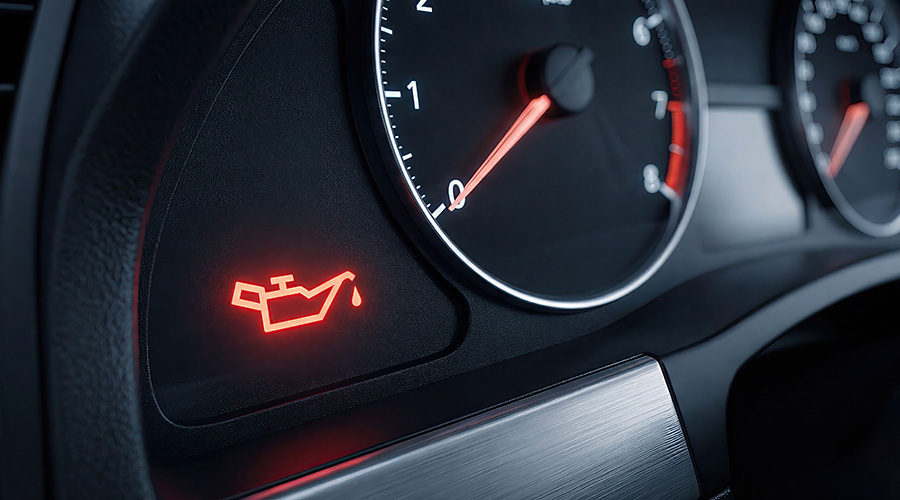
Modern vehicles are equipped with sophisticated technology that continuously monitors hundreds of components while you drive. Dashboard warning lights are the most visible part of this system, alerting drivers when something needs attention. However, many people make the mistake of treating each warning light as an isolated issue. In reality, a single warning can often be connected to multiple systems, making it essential to understand the bigger picture before deciding on repairs.
Modern Vehicles Operate as Connected Systems
Cars today rely on a network of electronic control modules that communicate with one another. The engine, transmission, braking system, steering, and safety features constantly exchange information to ensure smooth operation. When one component develops a fault, the problem may affect several other systems.
For example, a faulty wheel speed sensor can trigger the ABS warning light, traction control warning, and even stability control alerts simultaneously. Looking at only one warning light could lead to an incomplete diagnosis while ignoring the actual source of the problem. Understanding how interconnected these systems are is just as important as navigating digital platforms such as bihar udyami yojana registration, where every step depends on accurate information from the previous stage.
A Single Warning May Represent Multiple Problems
One illuminated light does not always point to a single defective part. An engine warning light, for instance, could indicate anything from a loose fuel cap to ignition problems, sensor failures, emission issues, or fuel delivery concerns.
Professional technicians rely on diagnostic equipment instead of assumptions. Reading fault codes provides valuable clues, but experienced mechanics also examine live sensor data, electrical connections, and mechanical components before replacing parts. This approach reduces unnecessary expenses while ensuring the real issue is addressed.
Ignoring Related Symptoms Can Increase Repair Costs
Drivers often focus only on the warning light itself while overlooking changes in vehicle behavior. Unusual noises, vibrations, reduced acceleration, poor fuel economy, or difficulty starting the engine can all provide additional clues that help identify the underlying cause.
Combining these symptoms with dashboard alerts creates a more complete picture of the vehicle’s condition. Similar to how users verify information through the Pmmvy Official Website before making important decisions, vehicle owners should gather all available information rather than reacting to a single indicator.
Electronic Systems Depend on Accurate Sensor Data
Modern cars use dozens of sensors to monitor temperature, pressure, speed, airflow, oxygen levels, battery condition, and many other operating parameters. If one sensor begins providing incorrect data, it can influence the operation of several connected systems.
In some cases, replacing the failed sensor immediately resolves multiple warning lights. In others, the faulty sensor is merely reporting a deeper mechanical problem that requires attention. This is why technicians analyze sensor readings together instead of treating each warning independently.
Warning Lights Can Help Prevent Major Failures
Dashboard indicators are designed to detect problems early. Addressing minor faults promptly can prevent them from developing into expensive mechanical failures. For example, a cooling system warning may appear long before overheating causes severe engine damage.
Routine inspections also play an important role in identifying issues that electronic systems cannot fully explain. Much like organized digital resources such as bhunaksharajasthan, which help users access structured information efficiently, systematic vehicle inspections allow mechanics to connect various warning signs into a complete diagnosis.
Professional Diagnosis Saves Time and Money
Many vehicle owners immediately replace the part they believe caused the warning light. Unfortunately, this trial and error approach often results in unnecessary expenses without solving the original problem.
Certified technicians use manufacturer recommended diagnostic procedures that include scanning electronic modules, checking wiring, testing sensors, verifying mechanical performance, and confirming repairs through additional testing. This structured process identifies the root cause instead of simply clearing warning lights.
Just as reliable records available through apnakhatarajsthan improve confidence in finding accurate information, organized diagnostic procedures improve confidence in automotive repairs and reduce repeat visits.
Regular Maintenance Reduces Unexpected Alerts
Preventive maintenance remains one of the best ways to minimize dashboard warning lights. Routine oil changes, battery inspections, brake servicing, tire maintenance, fluid replacement, and scheduled system checks help ensure every component continues operating properly.
Keeping software updated in vehicles that support electronic programming also improves communication between control modules and reduces the likelihood of false warnings caused by outdated calibrations.
Vehicle owners can also benefit from maintaining service records and reviewing manufacturer recommendations available through trusted resources, while digital platforms such as https://stslogin.com demonstrate how organized information systems support efficient management in many different fields.
Conclusion
Dashboard warning lights should never be viewed in isolation because today’s vehicles function as highly integrated systems. A single illuminated indicator may represent a chain of related issues involving sensors, electronics, mechanical components, or communication between control modules. Considering additional symptoms, performing accurate diagnostics, and following professional repair procedures provide a far more reliable solution than simply reacting to one warning light. By understanding the complete picture and staying proactive with regular maintenance, drivers can improve safety, extend vehicle life, and avoid costly repairs before minor issues become major problems.