The automotive industry has entered a remarkable era where vehicles can monitor road conditions, assist with parking, warn drivers about potential hazards, and even perform certain driving functions automatically. These technological advancements have made driving safer and more convenient than ever before. However, no matter how advanced modern vehicles become, the foundation of safe and responsible driving remains unchanged. Smart cars are designed to support drivers, not replace sound judgment, awareness, and discipline. Timeless driving principles continue to be the key to protecting lives and ensuring every journey ends safely.
Respecting The Road Before Relying On Technology
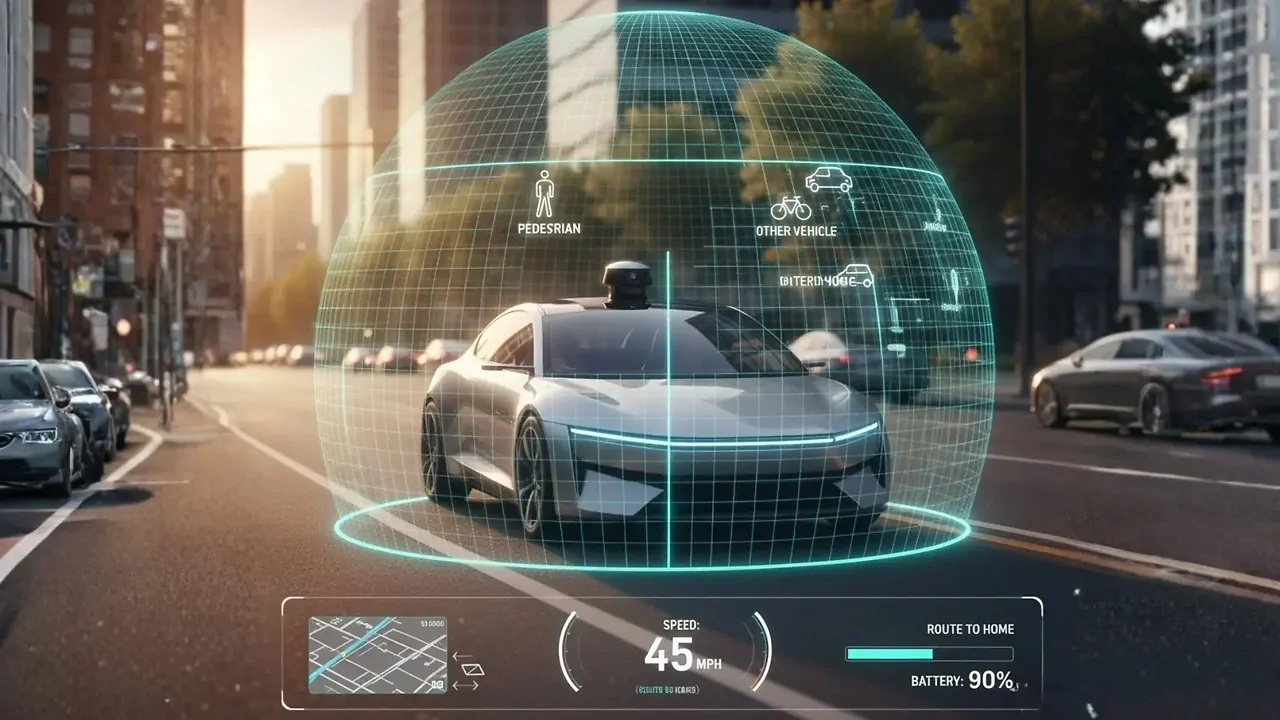
Modern vehicles are equipped with impressive safety systems such as lane keeping assistance, adaptive cruise control, collision warnings, and automatic emergency braking. While these features reduce risks, they cannot eliminate human responsibility.
Drivers should continue practicing defensive driving, observing speed limits, maintaining safe following distances, and remaining alert to changing road conditions. Technology may provide assistance, but it cannot anticipate every unpredictable situation. Road construction, severe weather, distracted pedestrians, and unexpected driver behavior still require quick human decision making.
The same mindset of staying informed and prepared can be applied to many aspects of daily life. Whether someone is learning about government services through PMSuryaGhar or preparing for a long road trip, gathering accurate information beforehand leads to better outcomes.
Staying Focused Behind The Wheel
One of the greatest dangers on today’s roads is distraction. Smartphones, entertainment systems, navigation displays, and even voice assistants can divert attention from driving if used carelessly.
Safe driving requires full concentration. Looking away from the road for only a few seconds can dramatically increase the likelihood of an accident. Experienced drivers understand that maintaining awareness of surrounding traffic is more valuable than constantly interacting with in vehicle technology.
Many educational resources emphasize responsible habits across different platforms. Some people even watch informative transportation or public service discussions through jkpaysys on youtube, but learning should always be combined with practical attention whenever operating a vehicle.
Good Maintenance Never Goes Out Of Style
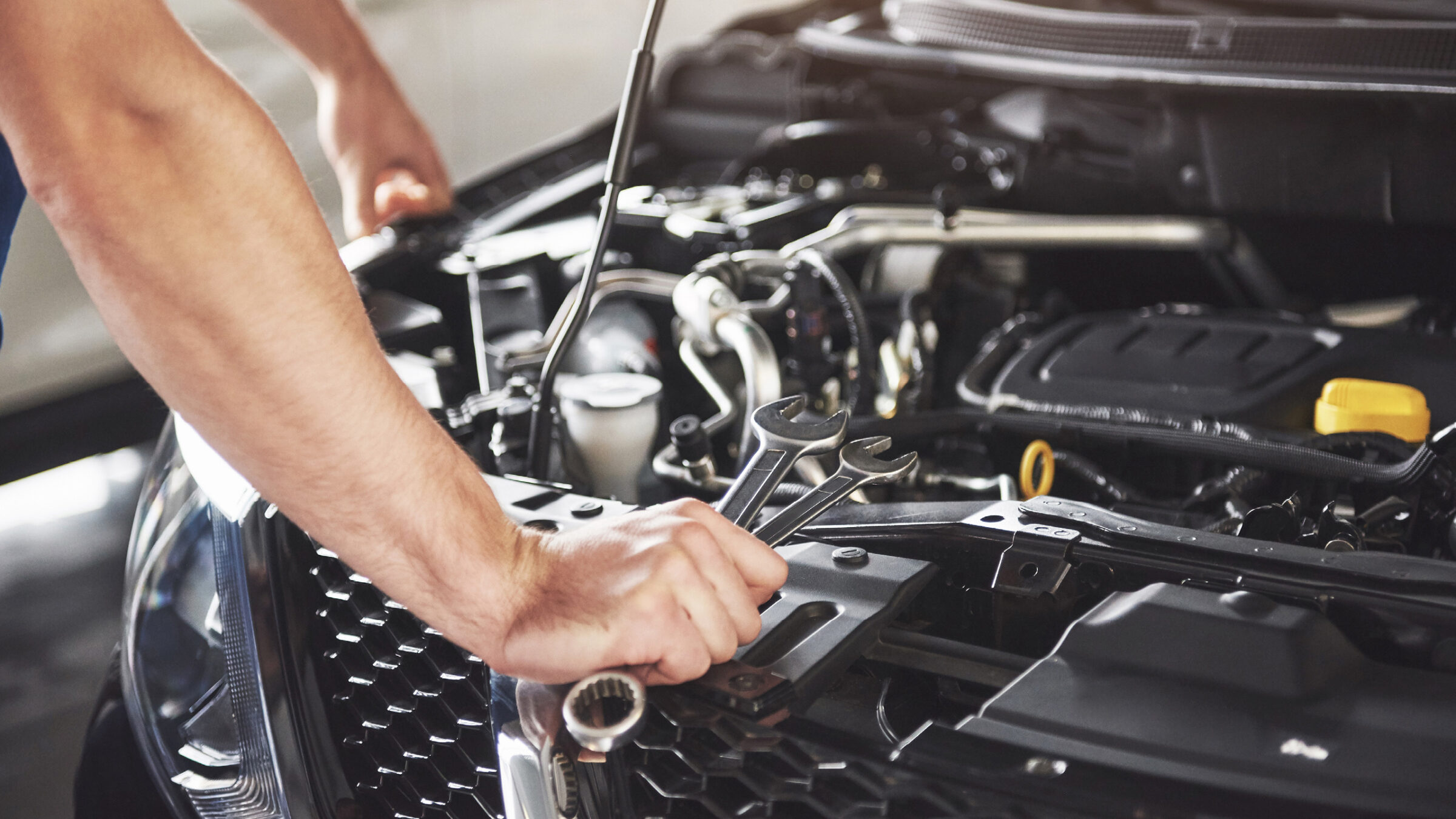
No amount of advanced engineering can compensate for neglected vehicle maintenance. Tires, brakes, steering components, suspension systems, and lighting equipment all require routine inspection to perform effectively.
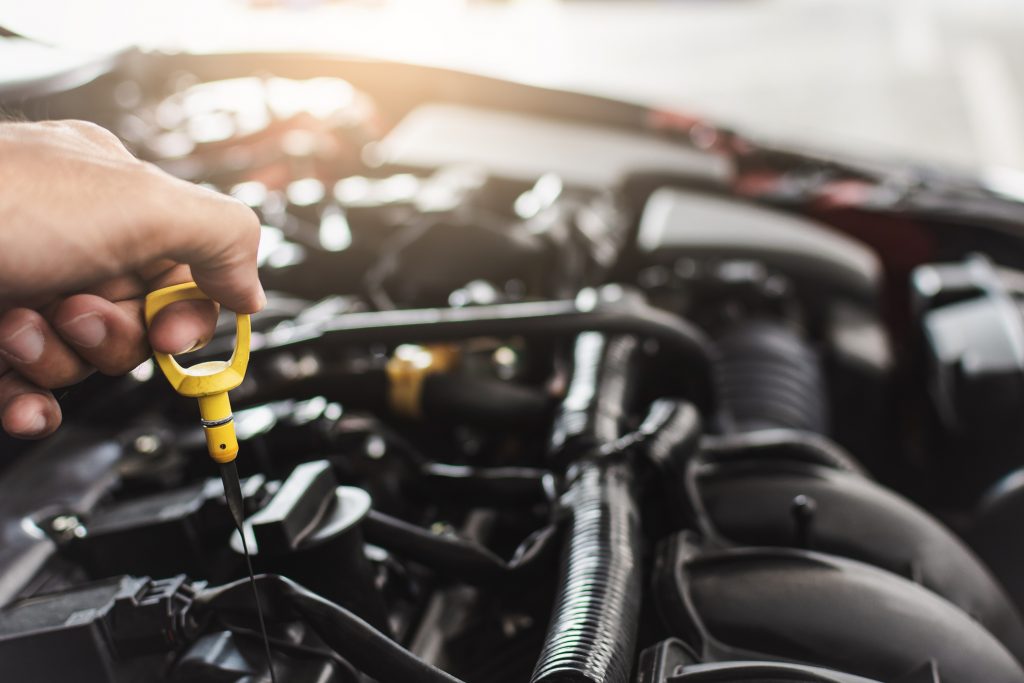
Simple maintenance practices include checking tire pressure regularly, monitoring fluid levels, replacing worn windshield wipers, and following the manufacturer’s service schedule. These small efforts help improve fuel efficiency, extend vehicle life, and reduce the likelihood of unexpected breakdowns.
Smart diagnostic systems can alert drivers to potential issues, but responding promptly to those warnings remains a human responsibility. Preventive maintenance has always been one of the most valuable driving principles and continues to be just as important today.
Responsible Decision Making Creates Safer Roads
Driving safely extends beyond controlling the vehicle itself. Responsible drivers carefully plan trips, avoid driving while fatigued, remain patient during traffic congestion, and adjust their speed according to weather conditions.
Modern navigation systems may suggest the fastest route, but experienced drivers recognize that safety should always take priority over saving a few minutes. Choosing rest breaks during long journeys, avoiding aggressive driving, and respecting other road users contribute to a safer environment for everyone.
The same thoughtful approach is often encouraged when people visit trusted information sources such as the Pm Kisan Yojana Official Website, where careful planning and informed decisions support better long term outcomes.
Technology Supports Drivers Rather Than Replacing Them
Artificial intelligence, sensors, cameras, and connected vehicle systems continue to transform transportation. Features such as blind spot monitoring and automatic parking assistance provide valuable support, especially in challenging situations.
However, drivers should never assume these systems are flawless. Cameras may become dirty, sensors may be blocked, and software cannot perfectly interpret every road condition. Remaining engaged behind the wheel ensures drivers can respond immediately whenever technology reaches its limits.
Understanding how vehicle safety features operate also helps drivers use them correctly instead of depending on them completely.
Learning Never Stops For Responsible Drivers
Even experienced motorists benefit from continually improving their driving knowledge. Traffic laws evolve, new vehicle technologies appear, and changing infrastructure introduces unfamiliar situations.
Reading safety updates, attending defensive driving courses, and understanding new vehicle functions all contribute to better driving performance. Continuous learning builds confidence without creating overconfidence.
Many online resources help individuals understand important public services and digital systems, including the Mahabocw Portal, demonstrating how learning remains valuable in many areas of modern life, including transportation.
Practical Wisdom Will Always Outlast Innovation
Every generation experiences exciting technological breakthroughs, yet the principles that protect drivers remain remarkably consistent. Patience, courtesy, observation, preparation, and responsibility continue to outperform shortcuts or overconfidence.
Experienced motorists know that arriving safely is always more important than arriving quickly. They understand that weather conditions, road surfaces, and surrounding traffic deserve constant attention regardless of how sophisticated their vehicles may be.
Those seeking additional educational resources about automotive safety, maintenance, or responsible driving can always read here before making important decisions, ensuring knowledge supports every mile traveled.
Conclusion
Smart cars represent one of the greatest technological achievements in automotive history, offering convenience, efficiency, and advanced safety features that were unimaginable only a few decades ago. Yet these innovations are most effective when paired with timeless driving principles that have guided responsible motorists for generations. Respect for the road, continuous attention, proper vehicle maintenance, patience, and lifelong learning remain the foundation of safe driving. Technology will continue to evolve, but responsible human judgment will always be the most important safety feature behind every steering wheel.