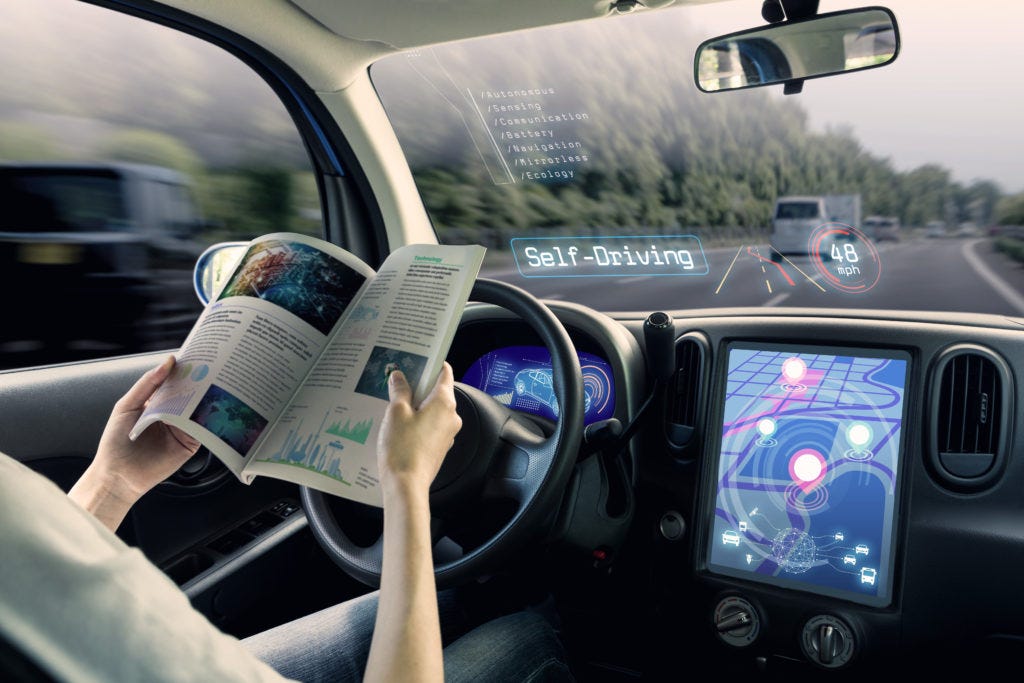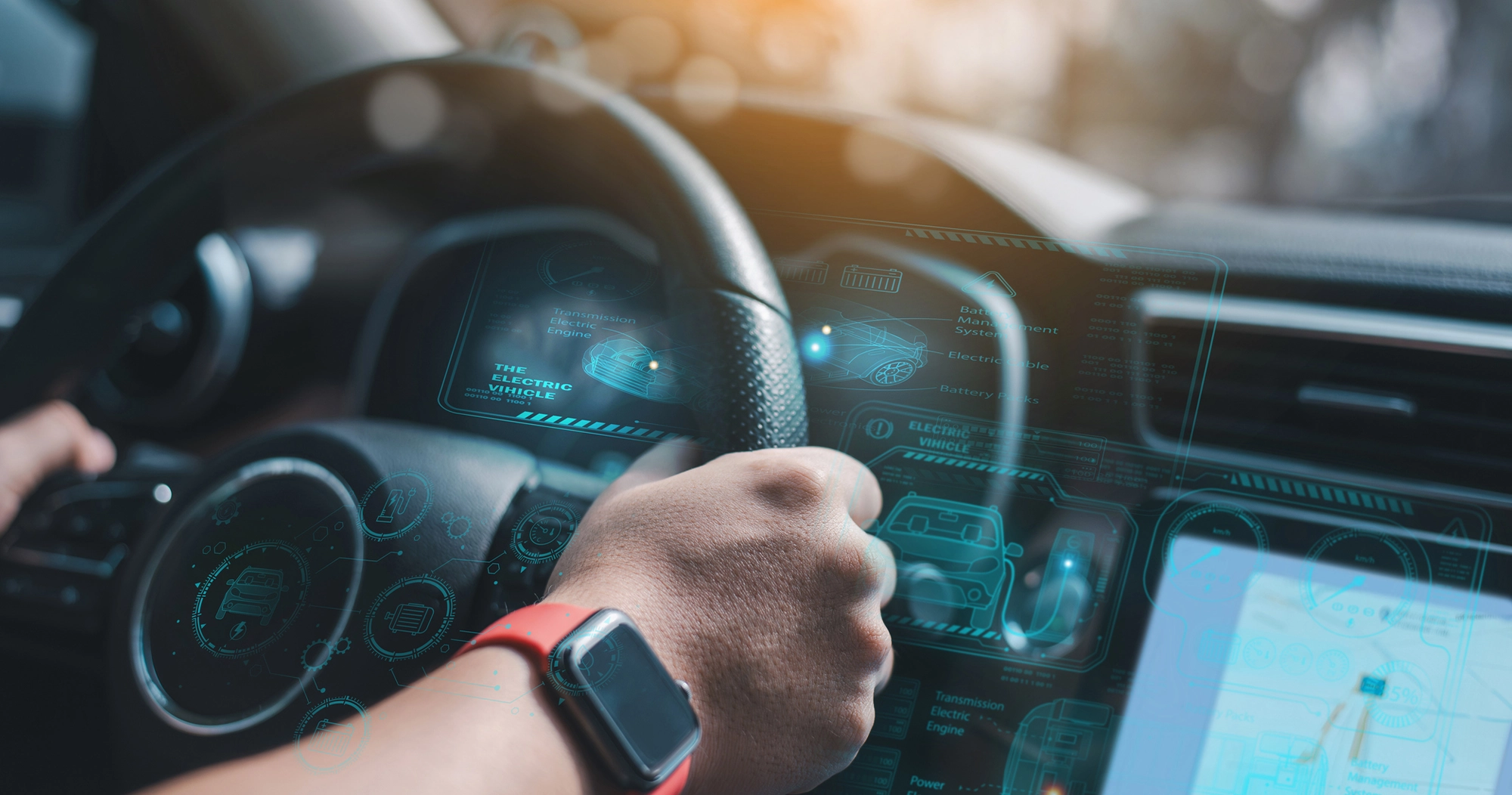
The modern automobile has evolved far beyond a simple mode of transportation. Connected cars are transforming the driving experience by combining internet connectivity, advanced sensors, and cloud-based systems. These technologies allow vehicles to exchange data with drivers, other vehicles, traffic infrastructure, and digital services in real time.
This transformation is reshaping how people interact with transportation. Driving is becoming safer, more efficient, and increasingly personalized. Instead of simply operating a vehicle, drivers now engage with intelligent systems that support navigation, safety, entertainment, and maintenance.
Connected vehicles are setting the foundation for the future of mobility by turning cars into smart, responsive environments.
Understanding Connected Car Technology
A connected car is equipped with internet access and the ability to communicate with external systems. These vehicles rely on embedded sensors, GPS tracking, wireless networks, and onboard software to send and receive real-time data.
Connectivity allows vehicles to deliver traffic updates, detect hazards, enable remote diagnostics, and provide over-the-air software updates. Drivers benefit from enhanced awareness, while manufacturers gain insights to improve performance and reliability.
As vehicles become digital environments, passengers can access information and entertainment during travel. Some users even browse trending topics such as rapper net worth, showing how cars are evolving into mobile information hubs.
Improved Road Safety Through Real-Time Communication
Safety is one of the most significant benefits of connected vehicles. Cars can communicate with nearby vehicles, road infrastructure, and traffic systems to reduce accidents and improve situational awareness.
Advanced safety features include:
- Collision warnings
- Lane departure alerts
- Blind spot monitoring
- Automatic emergency braking
Real-time alerts about sudden braking ahead, road closures, or hazardous weather conditions provide drivers with crucial reaction time.
Connected systems can also automatically notify emergency services after a serious collision, sharing the vehicle’s location and impact data. These capabilities are making roads safer for drivers, passengers, and pedestrians alike.
Smarter Navigation and Traffic Optimization
Navigation has progressed far beyond traditional maps. Connected cars use real-time traffic data and predictive analytics to suggest efficient routes and avoid delays.
Drivers receive updates about accidents, construction zones, congestion, and weather disruptions. These insights help reduce travel time and improve fuel efficiency.
Transportation innovations are frequently discussed in news australia, where connected vehicle technology is viewed as a practical solution for improving urban mobility and reducing congestion in growing cities.
In Car Entertainment and Digital Connectivity
Connectivity has transformed the in-car entertainment experience. Drivers and passengers can connect smartphones, access apps, and stream content directly through the vehicle’s infotainment system.
Voice assistants enable hands-free control of music, calls, messages, and navigation. This improves safety while maintaining convenience.
Passengers can enjoy streaming media, podcasts, and social content during long journeys. Some travelers explore entertainment platforms such as pinayflix plus while on the road, highlighting how connected vehicles extend digital lifestyles beyond the home.
Remote Access and Smart Vehicle Management
Connected cars allow owners to control and monitor their vehicles remotely through mobile apps. Drivers can:
- Lock or unlock doors
- Start the engine remotely
- Locate their vehicle in crowded parking areas
- Check fuel or battery levels
Remote diagnostics notify drivers about maintenance needs before problems escalate. This proactive monitoring reduces unexpected breakdowns and extends vehicle lifespan.
Fleet operators also benefit from remote tracking and performance insights, improving efficiency and reducing operating costs.
Predictive Maintenance and Software Updates
Traditional maintenance relies on scheduled servicing, but connected cars use predictive analytics to monitor performance continuously. Sensors track engine health, braking systems, tire pressure, and other critical components.
Drivers receive alerts when parts require attention, helping prevent costly repairs.
Over-the-air updates allow manufacturers to fix bugs, enhance security, and introduce new features without requiring dealership visits. This ensures vehicles remain current with evolving technology and safety standards.
Personalized Driving Experience
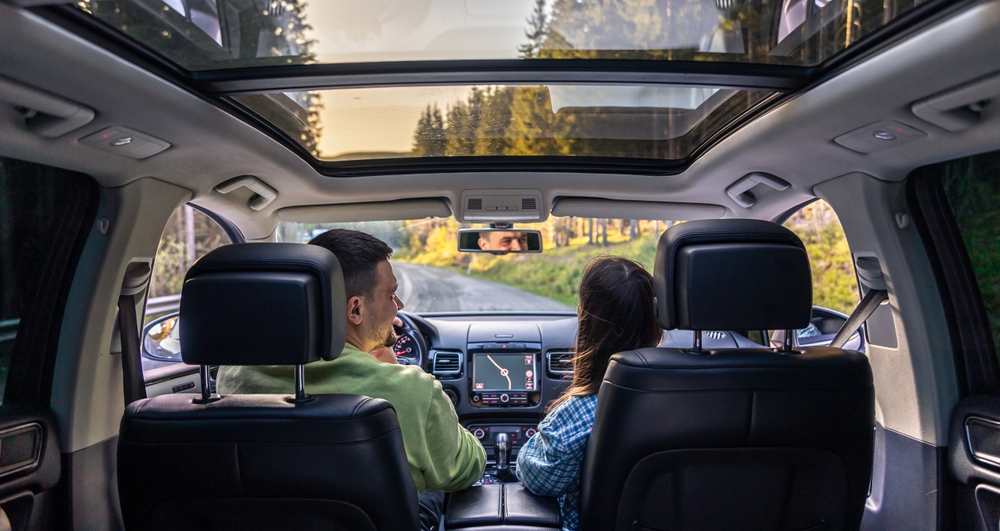
Connected vehicles can learn driver preferences over time. Seat positions, climate settings, favorite routes, and entertainment choices can be stored and automatically adjusted.
Integration with user profiles creates a customized driving environment tailored to individual needs.
Some systems also sync contact priorities and communication preferences from smartphones. These personalization features reflect how digital habits influence everyday experiences, similar to social interaction indicators like snapchat best friends planets.
Drivers increasingly expect vehicles to function as extensions of their digital lives.
Privacy and Data Security Considerations
While connectivity offers numerous advantages, it also raises concerns about data privacy and cybersecurity. Connected vehicles collect data such as location history, driving patterns, and user preferences.
Manufacturers are implementing encryption, secure communication protocols, and advanced cybersecurity protections to safeguard user information.
Drivers can enhance security by keeping software updated, using strong passwords, and reviewing privacy settings. Ensuring data protection will remain essential as vehicles become more connected and autonomous.
The Future of Connected Mobility
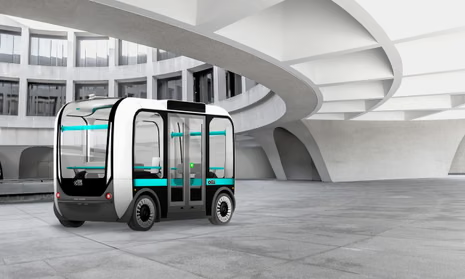
Connected car technology continues to evolve and is paving the way for autonomous driving and smarter transportation ecosystems.
With the expansion of 5G networks, vehicles will process data faster and communicate more efficiently. This will support advanced safety systems, real-time hazard detection, and improved driver assistance features.
As connectivity improves, drivers will continue using vehicles as mobile digital environments. Some passengers may even follow entertainment updates or celebrity trends like rapper net worth during commutes, reinforcing the shift toward fully integrated digital mobility.
Conclusion
Connected cars are redefining the driving experience by combining intelligence, connectivity, and convenience. From real-time safety alerts and smarter navigation to personalized settings and remote vehicle management, these innovations are transforming how drivers interact with their vehicles.
As technology continues to advance, connected vehicles will play a central role in building safer roads, reducing congestion, and enhancing mobility. The shift toward smarter transportation is already underway, offering drivers a more connected, efficient, and personalized journey.