Modern vehicles are no longer limited to transporting people from one place to another. They have evolved into intelligent machines equipped with sensors, software, and connected systems that constantly monitor performance, driving conditions, and potential risks. Instead of waiting for something to fail, today’s automotive technology is increasingly designed to predict issues before they become serious. This shift from reactive maintenance to proactive prevention is transforming the way people drive, maintain, and trust their vehicles.
From advanced safety systems to predictive maintenance, vehicle technology now works quietly in the background, helping drivers avoid costly repairs, improve fuel efficiency, and stay safer on the road. As software defined vehicles continue to grow, intelligent systems are becoming just as important as mechanical engineering.
Predictive Maintenance Keeps Vehicles Running
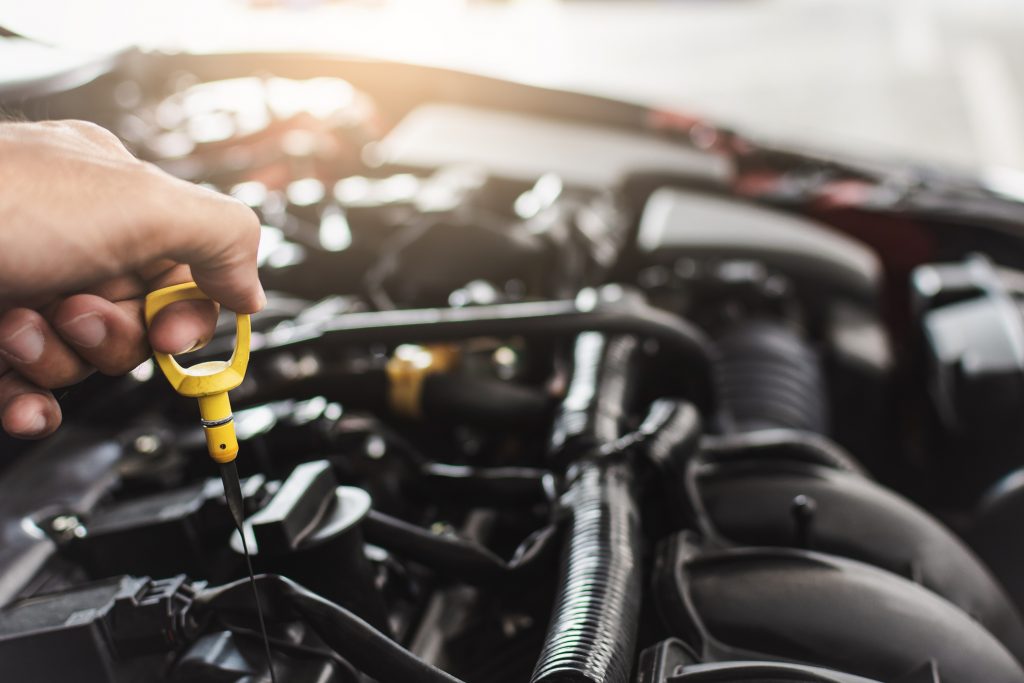
One of the biggest advances in modern automobiles is predictive maintenance. Instead of relying only on scheduled service intervals, vehicles now collect data from numerous sensors that monitor engine performance, battery health, braking systems, tire pressure, and fluid levels.
By analyzing this information, the vehicle can recognize unusual patterns that often appear before a component fails. Drivers receive warnings while the problem is still minor, allowing repairs to be completed before an expensive breakdown occurs. Fleet operators have already experienced significant improvements through predictive maintenance, and similar technology is becoming increasingly common in passenger vehicles.
For those interested in understanding how these intelligent monitoring systems operate in greater detail, read here for additional technical resources and manufacturer guidance.
Connected Software Makes Cars Smarter
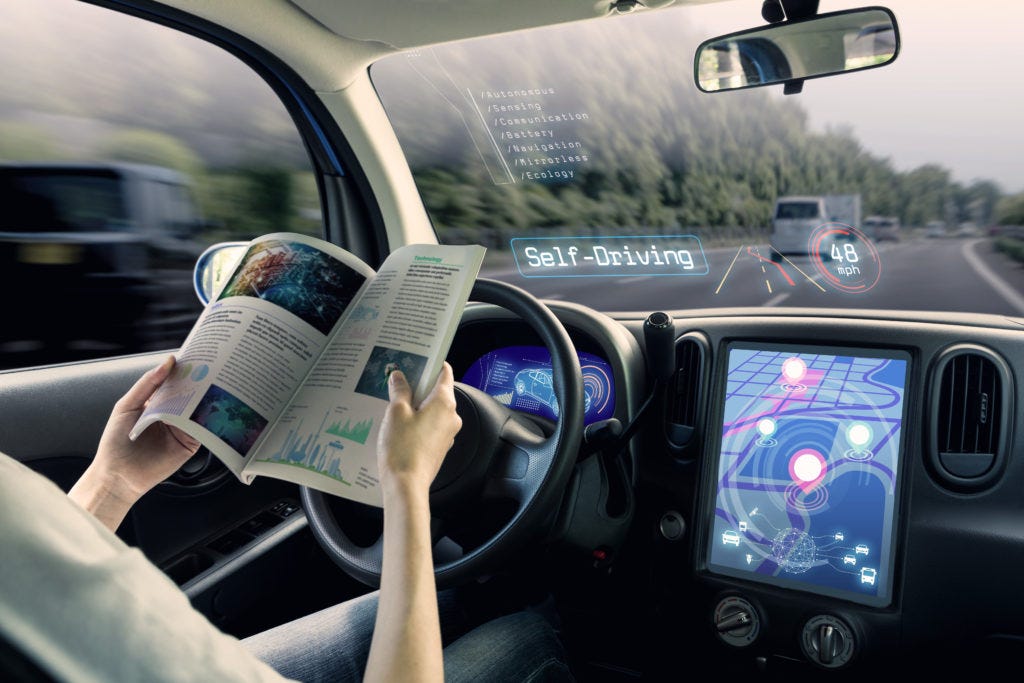
Vehicles are increasingly becoming software platforms rather than purely mechanical machines. Manufacturers now deliver over the air software updates that improve existing features, enhance security, fix software bugs, and even introduce entirely new capabilities without requiring a dealership visit.
Just as users regularly access the Pm Kisan Status Official Website to receive updated information through digital services, vehicle owners now benefit from continuously updated automotive software that improves performance throughout the life of the vehicle.
Software defined vehicles are expected to play a central role in the future of transportation by allowing continuous improvement after purchase.
Smarter Safety Systems Reduce Human Error
Human error remains one of the leading causes of traffic accidents. Vehicle manufacturers have responded by developing advanced driver assistance systems that actively help drivers avoid dangerous situations.
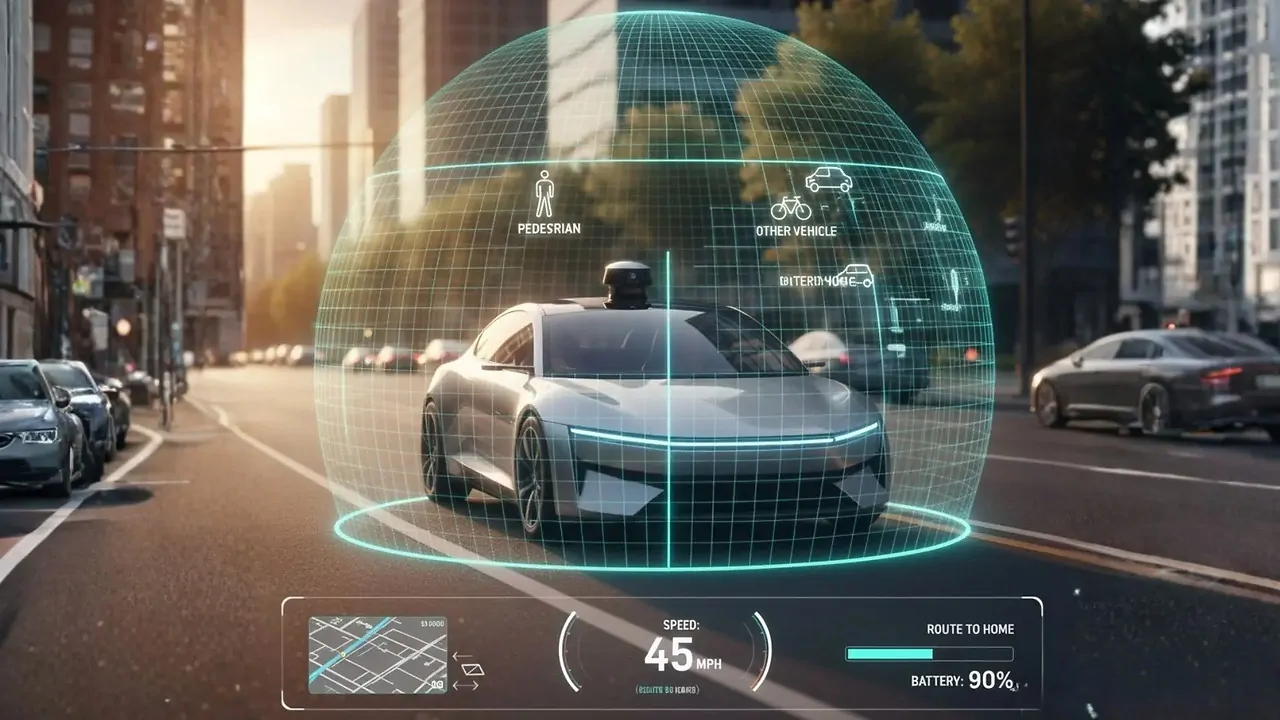
Features such as automatic emergency braking, blind spot monitoring, lane keeping assistance, adaptive cruise control, and collision warnings constantly evaluate road conditions. Cameras, radar, and lidar work together to detect hazards that drivers may overlook.
Rather than reacting after an accident has already occurred, these technologies anticipate potential collisions and intervene when necessary, reducing the likelihood of crashes. Modern predictive driving systems continue to improve by estimating the future movement of surrounding vehicles and pedestrians.
Artificial Intelligence Learns Driving Patterns
Artificial intelligence has become an important component of modern automotive systems. Rather than simply responding to commands, AI analyzes driving habits, environmental conditions, and historical vehicle data to make increasingly accurate predictions.
Some systems recognize unusual steering behavior that may indicate driver fatigue. Others detect abnormal engine vibration, battery degradation, or suspension wear long before noticeable symptoms appear.
In much the same way digital platforms such as Visit Punjab State Lottery rely on connected technology to deliver timely information to users, connected vehicles depend on continuous data exchange to improve safety, diagnostics, and overall driving efficiency.
Connected Infrastructure Improves Road Awareness
The future extends beyond individual vehicles. Connected transportation systems allow vehicles to exchange information with traffic infrastructure, nearby automobiles, and navigation services.
A connected vehicle may receive advance notice of sudden congestion, hazardous weather, road construction, or an approaching emergency vehicle. This information allows the driver or onboard systems to adjust speed and route before encountering the problem.
Educational digital platforms such as digishakti up.gov.in demonstrate how centralized digital ecosystems improve information delivery, while connected transportation networks apply similar principles to improve mobility and road safety on a much larger scale.
Technology Supports Better Decisions
Modern vehicle technology is not replacing drivers. Instead, it acts as a highly capable assistant that continuously observes conditions humans cannot monitor all at once.
Sensors never become distracted, software analyzes thousands of data points every second, and predictive algorithms continuously search for early warning signs. The driver still remains responsible, but intelligent technology provides an additional layer of awareness that significantly improves decision making.
Much like digital learning platforms such as Visit Prerna support continuous improvement through timely guidance, intelligent automotive systems help drivers make better decisions before small issues develop into major problems.
Conclusion
The automotive industry is entering an era where prevention is becoming more valuable than repair. Intelligent sensors, artificial intelligence, predictive maintenance, connected infrastructure, and software updates work together to solve problems before they happen rather than after damage has already occurred.
As these technologies continue to evolve, drivers can expect safer journeys, lower maintenance costs, greater reliability, and vehicles that improve throughout their ownership experience. The future of transportation is not simply about faster cars. It is about smarter vehicles that anticipate challenges, protect their occupants, and make every trip more efficient through intelligent prediction.